
WTW is short for “what’s the word,” and people use it the same way they’d use “what’s up” or “what’s going on.” Someone texts you “wtw” out of nowhere, and it usually just means they’re checking in, bored, or trying to start a conversation. It’s casual, low-pressure, and doesn’t need a long reply.
Quick Answer
- WTW = “What’s the word” (most common meaning)
- Used as a casual greeting, similar to “what’s up” or “sup”
- Sometimes means “what’s the wave,” which is basically the same idea
- Rarely, in gaming or Discord slang, it can mean “what’s the worst” depending on context
- No romantic meaning by default, though tone and follow-up messages can shift that
The Real Meaning Behind WTW
At its core, wtw is just a texting shortcut for checking in with someone. It doesn’t carry a hidden agenda most of the time. Think of it as the digital version of nodding at someone in the hallway and saying “hey, what’s going on.”
The phrase caught on because typing “what’s the word” every time gets old fast. Shortening it to four letters fits the pace of group chats, Snapchat, and Instagram DMs where replies happen in seconds, not paragraphs.
One thing a lot of guides get wrong: wtw isn’t always a question that needs a detailed answer. Half the time, people send it as filler, almost like a placeholder to keep a conversation alive when neither person has much to say. Replying with something as simple as “nm, you?” is completely normal.
Does WTW Mean Something Different From a Girl or a Guy?
Not really, and this is where a lot of articles overcomplicate things. The word itself doesn’t change meaning based on who sends it.
What changes is context. If a girl sends wtw after a first date, it probably means she’s interested in keeping things going. If a guy sends it randomly at 2 a.m. with no prior conversation, it might read as a low-effort way to see who’s still awake and talking.
The gender of the sender matters less than the relationship history and the timing. A wtw from your best friend reads completely differently than the same text from someone you matched with on a dating app last week.
WTW on Instagram and Social Media
On Instagram, wtw shows up most often in DMs and comment sections. Someone posts a story, and a friend slides into their DMs with “wtw” just to open the conversation.
It also pops up under posts as a quick comment, especially when someone drops a vague or intriguing caption. In that setting, wtw basically means “okay, spill the details” or “what’s the update.”
TikTok comment sections use it the same way, usually attached to videos that hint at drama, news, or something the poster didn’t fully explain. It functions almost like a built-in prompt for more info.
Where Did WTW Come From?
There isn’t one clean origin story for this one, and it’s worth being honest about that instead of pretending there’s a documented history. Abbreviations like this tend to grow out of everyday texting habits rather than any single event or platform.
“What’s the word” itself is an older phrase, the kind you might have heard casually for decades before texting existed. Shortening it to wtw just followed the same pattern as brb, wyd, and hbu once phone keyboards made speed a priority.
It’s safe to say the abbreviation gained traction alongside general texting slang in the 2010s, then picked up steam again through short-form video comment sections.
Real Conversation Examples
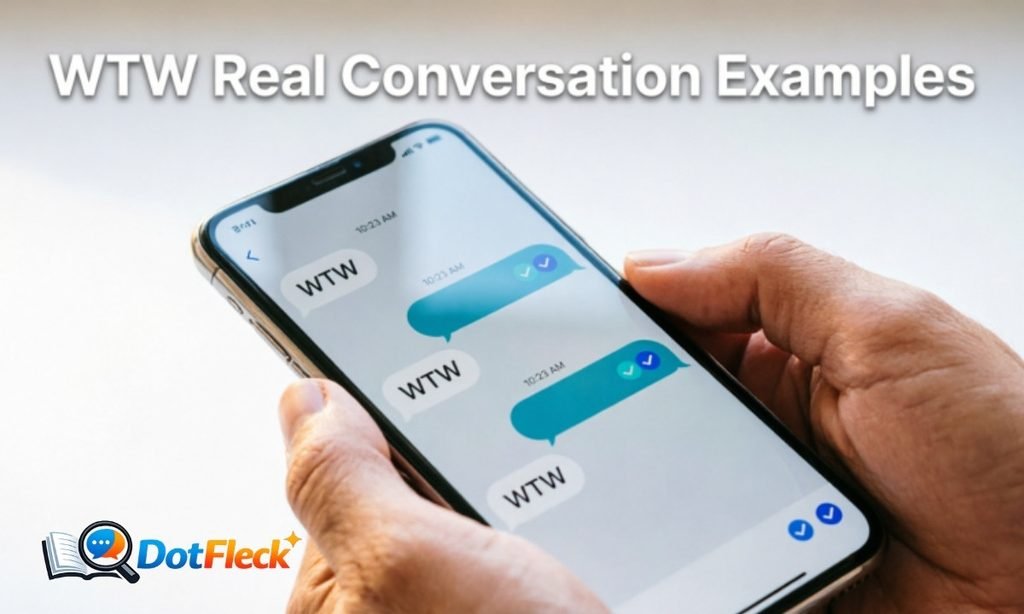
Here’s how wtw actually shows up in real texts, not just dictionary-style definitions.
Between friends catching up: Jordan: wtw Sam: nothing much, just got home. u?
Opening a group chat: Maya: wtw tonight, anyone tryna do something Alex: down for food
After a vague Instagram story: Chris: wtw with that story lol Riley: ugh don’t even ask, tell you later
Late night text: Devon: wtw Priya: can’t sleep, why
Notice none of these need a formal answer. That’s the whole point of the phrase.
When to Use WTW (and When Not To)
Wtw works well in casual, ongoing relationships where quick check-ins are normal. Friends, siblings, group chats, and people you text regularly are all fair game.
It works less well in professional messages, first-time conversations with someone you barely know, or anything where clarity matters more than casual tone. Sending “wtw” to a coworker or in a customer service chat will likely just confuse them.
A small nuance most guides skip: sending wtw as the very first message to someone you’ve never texted before can come across as low-effort or even a little lazy. It works better once there’s already some familiarity built up.
Common Mistakes People Make With WTW
A few mix-ups happen often enough to mention.
People sometimes confuse wtw with WYD (“what are you doing”), but they’re not identical. Wtw is closer to a general greeting, while wyd usually asks about a current activity specifically.
Another mistake is assuming wtw always implies romantic interest. It doesn’t, by default. Reading too much into a plain wtw from a casual acquaintance is one of the more common overanalysis traps in texting culture.
Lastly, some newer slang lists have started listing wtw as “what the what,” used sarcastically to react to something surprising. This usage exists but is far less common than the standard “what’s the word” meaning, so context should guide the interpretation.
Similar Texting Abbreviations
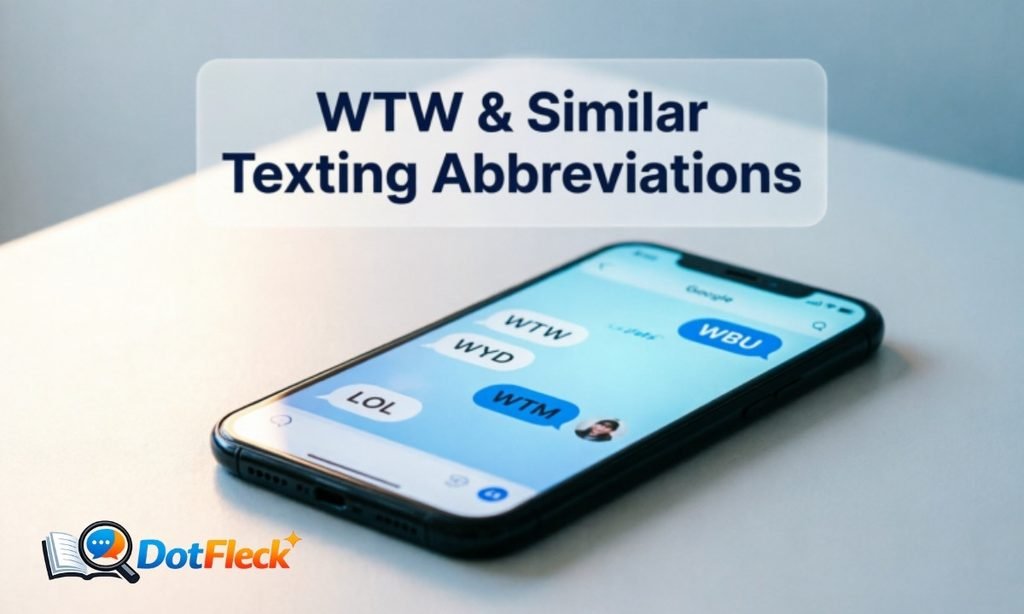
A handful of related terms often show up in the same conversations as wtw:
- WYD – what are you doing
- HBU – how about you
- SUP – what’s up, shortened further
- NM – not much
- WYA – where you at
- TTYL – talk to you later
- BRB – be right back
- LMK – let me know
Knowing these helps make sense of the shorthand-heavy style most casual texting relies on today.
Frequently Asked Questions
What does wtw mean from a girl?
It generally means the same thing regardless of gender: “what’s the word,” a casual check-in. Context clues like recent conversation history or a flirty tone in surrounding messages matter more than who sent it.
Is wtw a flirty text?
Not inherently. On its own, wtw is neutral. It can become flirty depending on the relationship, the time it’s sent, and what follows it, but the abbreviation itself doesn’t carry romantic weight.
What’s the difference between wtw and wyd?
Wtw is more of a general greeting, similar to “what’s up.” Wyd specifically asks what someone is currently doing. They’re often used interchangeably, but wyd leans slightly more toward asking about plans or activities.
Does wtw mean something different on Snapchat?
Not really. Snapchat users apply it the same way as Instagram or regular texting, usually as a quick opener after a snap or story. The platform doesn’t change the core meaning.
Can wtw mean “what the word” instead of “what’s the word”?
No, that phrasing isn’t standard. The correct expansion is “what’s the word,” though plenty of people type or read it loosely without thinking about the exact grammar behind it.
Bottom Line
Wtw is one of those small texting abbreviations that carries very little weight on its own. It’s a greeting, a conversation starter, and sometimes just filler to keep a chat going.
The meaning shifts slightly depending on who’s texting and what came before it, but there’s no need to overthink four letters that mostly just mean “hey, what’s up.”

Ethan Whitmore is an English language writer who enjoys making grammar, word meanings, and modern slang simple and easy to understand. His content focuses on clear explanations, practical examples, and everyday English usage.